

Ask most people what a wellness stay involves and they'll describe the therapies — the massages, the consultations, the classes. Rest rarely makes the list. It's assumed, background, the thing that happens automatically once the schedule allows for it.
At EKAM, we've stopped treating rest as a default. It's planned for, protected, and in some cases, prescribed — because recovery isn't simply what happens between therapies. It's often where the therapy actually takes effect.
The Work Happens After the Session Ends
A therapy — Ayurvedic bodywork, a breathwork session, a physician consultation — sets something in motion. But the body needs unhurried time afterward to actually integrate it. Book back-to-back sessions with no space between them, and you get a full calendar and very little else.
This is part of why EKAM programmes are paced deliberately, with built-in gaps rather than a packed itinerary. A quieter afternoon isn't a scheduling gap to guests — it's where a morning session gets to settle in.
What Rest Actually Looks Like Here
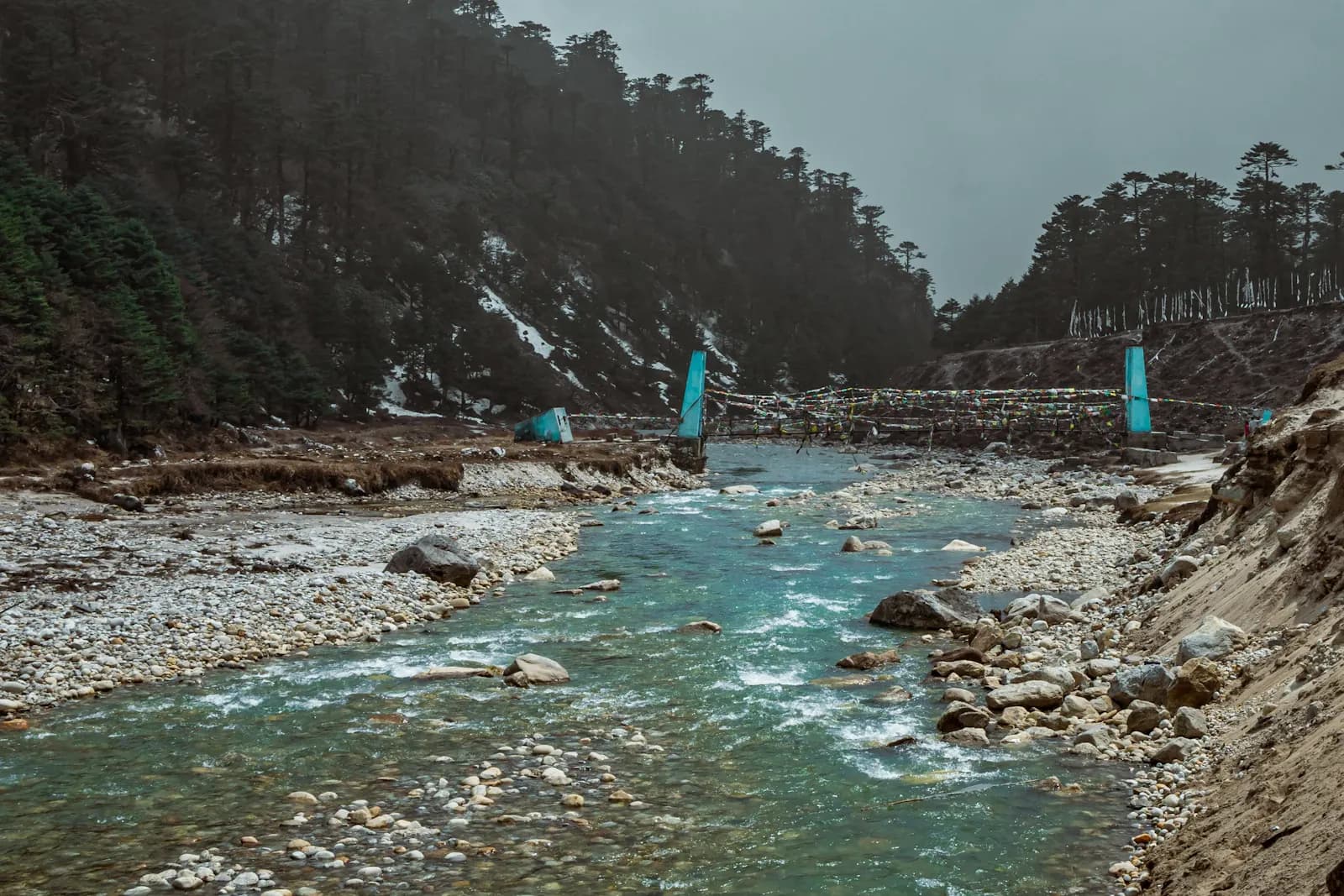
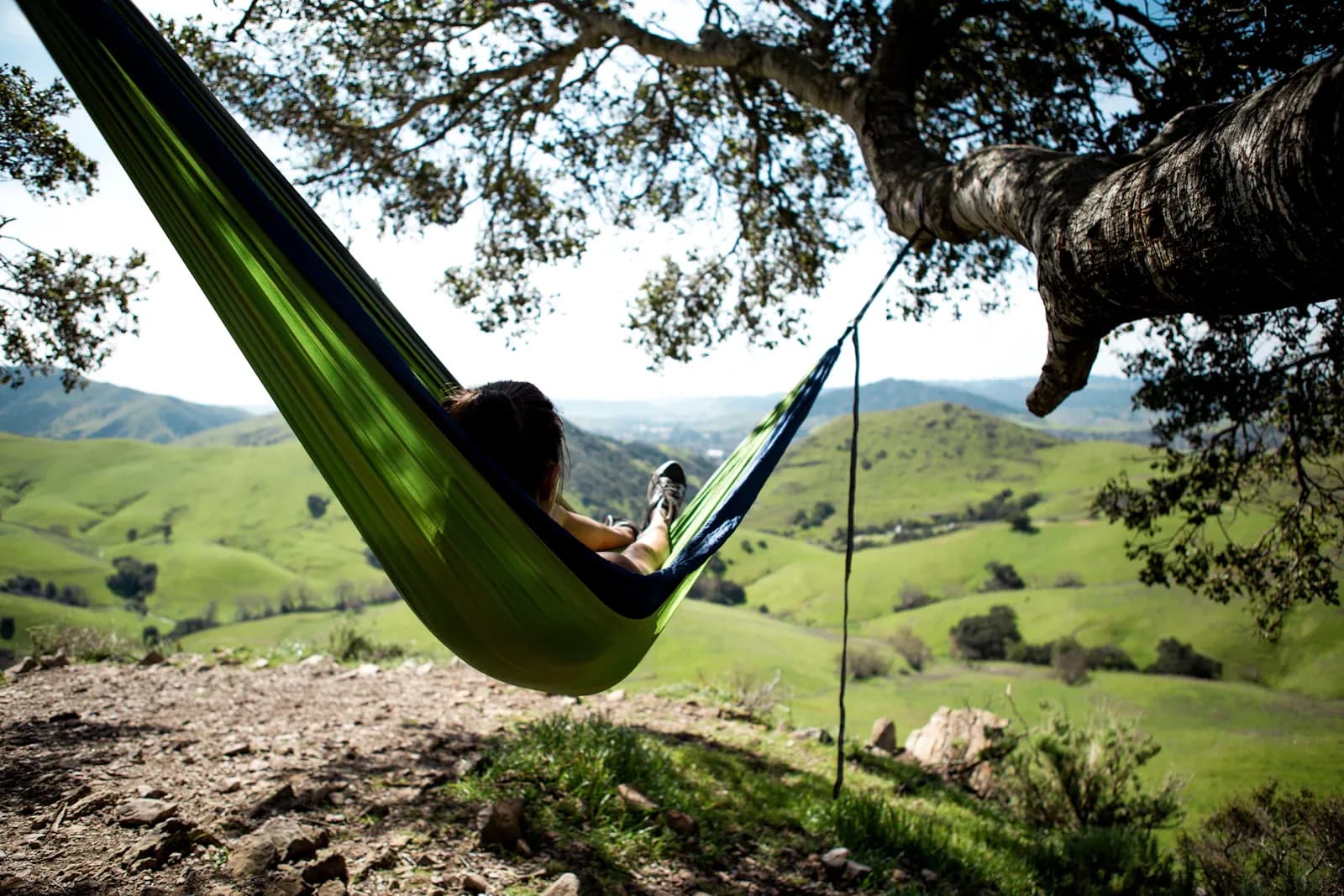
It rarely means doing nothing at all. For some guests it's a slow walk beside the Beas River. For others, it's an unstructured hour on their suite balcony, or simply a full night's sleep without an alarm for the first time in months. The common thread is the absence of obligation — nowhere to be, nothing to perform.
Sleep, specifically, is treated with the same seriousness as any other pillar of the stay. Where relevant, your physician may factor circadian rhythm and sleep quality into your personalised plan alongside therapy and nutrition — not as an afterthought, but as one of the foundations everything else is built on.
Bringing It Home
The habit most guests carry home isn't a specific ritual — it's permission. Permission to leave a gap in the calendar and let it stay empty. It sounds small. For most of us, it's the hardest part of wellness to actually practise.